
Machine Learning & Data Science
Applied machine learning and data science for understanding complex real-world systems.
The articles focus on working with real datasets, building and evaluating models, and translating data into practical insights – from fitness and health analytics to OCR, automation, and decision-making systems.
The emphasis is on applied methods, trade-offs, and end-to-end thinking rather than theoretical abstractions.
-

ML System Architecture: Building Smarter, More Private Futures for 2026
More Details: ML System Architecture: Building Smarter, More Private Futures for 2026In the ever-evolving landscape of artificial intelligence, the underlying framework – the ML system architecture – is paramount. It’s not just about the algorithms that learn, but how they are deployed, managed, and integrated. As we look towards 2026, the conversation around ML system architecture is shifting. We’re moving beyond just the “what” of machine…
-
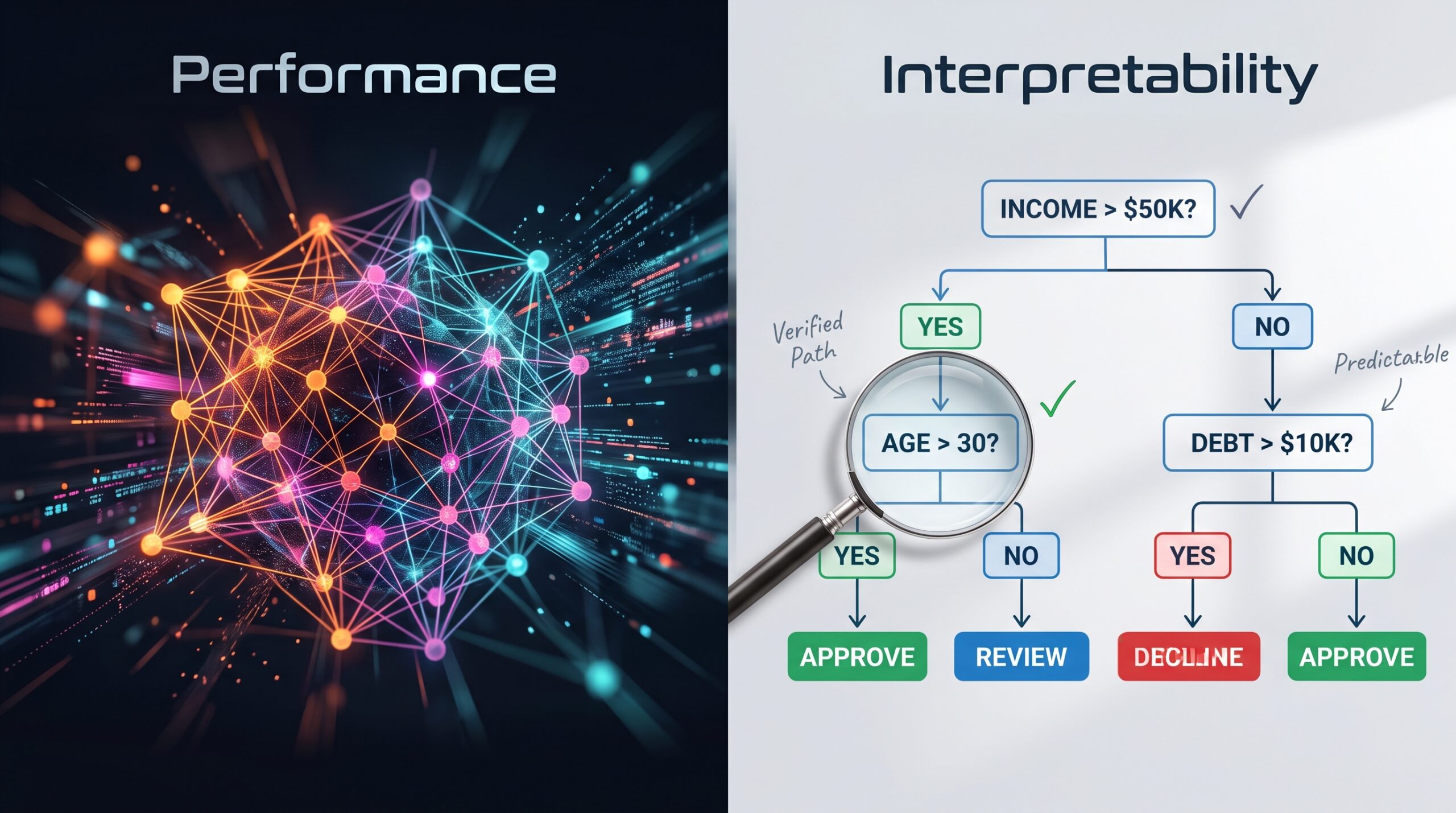
Performance vs. Interpretability: Unpacking the AI Dilemma for Smarter Discoveries
More Details: Performance vs. Interpretability: Unpacking the AI Dilemma for Smarter DiscoveriesIn the rapidly evolving landscape of data science and machine learning, a fundamental tension exists: the drive for peak performance versus the imperative for interpretability. At Explore the Cosmos, our mission is to demystify complex systems through data-driven analysis, and understanding this performance-interpretability trade-off is crucial. Whether we’re analyzing cycling performance metrics, optimizing financial workflows…
-

Privacy-First ML Design: Building Trust in an AI-Driven Cosmos
More Details: Privacy-First ML Design: Building Trust in an AI-Driven CosmosAs we at Explore the Cosmos delve deeper into the vast expanse of space science, human performance, and complex systems, we’re constantly reminded of a fundamental truth: data is the currency of discovery. But in an era where artificial intelligence is rapidly becoming the invisible layer behind our digital interactions, the way we handle that…
-

Navigating the Maze: Mastering Monitoring Models in Production for 2026 and Beyond
More Details: Navigating the Maze: Mastering Monitoring Models in Production for 2026 and BeyondIn the fast-evolving landscape of artificial intelligence and machine learning, deploying a model is just the beginning of its journey. The real challenge, and where much of the value lies, is in ensuring that these sophisticated systems continue to perform optimally once they’re out in the wild – in production. For us at Explore the…
-
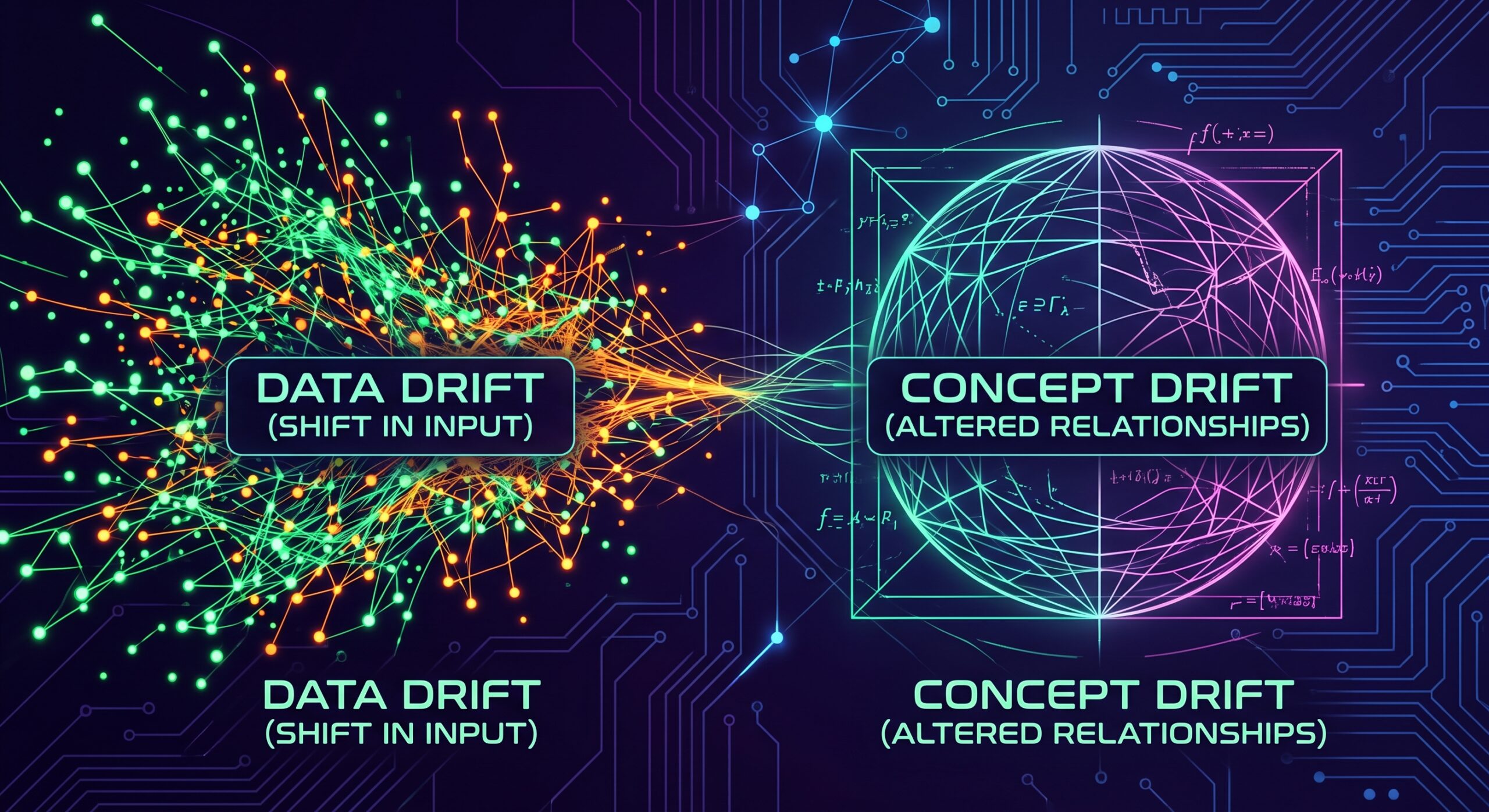
Navigating the Shifting Sands: Understanding Data Drift and Concept Drift in 2026
More Details: Navigating the Shifting Sands: Understanding Data Drift and Concept Drift in 2026In the ever-evolving universe of data and machine learning, a silent threat lurks, capable of rendering even the most sophisticated models ineffective: model drift. It’s not a bug in the code, nor a flaw in the algorithm itself. Instead, it’s the natural consequence of a world in constant flux. At Explore the Cosmos, where we…
-
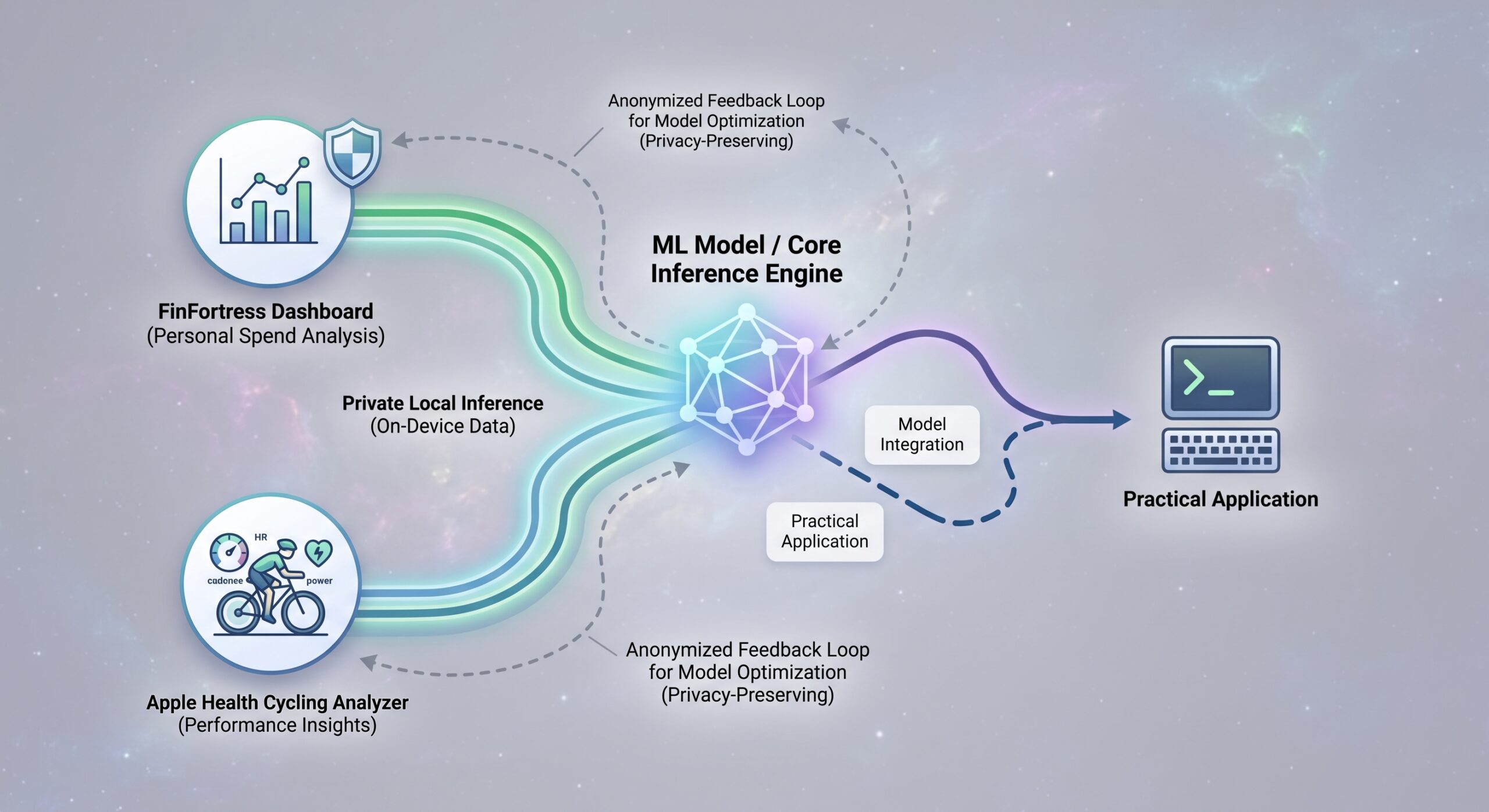
Unlocking the Power Within: A Practical Guide to Model Deployment Basics
More Details: Unlocking the Power Within: A Practical Guide to Model Deployment BasicsImagine spending months, even years, perfecting a machine learning model. You’ve fine-tuned its parameters, validated its accuracy, and you’re confident it can solve a specific problem. But then comes the critical question: what next? How do you take this powerful creation from your development environment and make it accessible and useful to your users? This…
-

Beyond the Title: What Truly Separates Junior from Senior Professionals in 2026
More Details: Beyond the Title: What Truly Separates Junior from Senior Professionals in 2026The journey from junior to senior is more than just accumulating years of experience; it’s a fundamental shift in perspective, responsibility, and impact. At Explore the Cosmos, we’re fascinated by complex systems and how individuals navigate them, whether it’s the vastness of space, the intricacies of personal finance, or the optimization of human performance. Understanding…
-

Navigating the AI Frontier: Ethics and Responsibility in Machine Learning for a Data-Driven Discovery Era
More Details: Navigating the AI Frontier: Ethics and Responsibility in Machine Learning for a Data-Driven Discovery EraIn the relentless pursuit of discovery, whether it’s charting the vastness of space or optimizing our personal financial journeys, data is our constant companion. At Explore the Cosmos, we champion a data-driven approach, leveraging machine learning (ML) to unravel complex systems and empower individuals. However, as ML becomes increasingly interwoven into the fabric of our…
-

Decoding the Enigma: Unlocking the Secrets of Black-Box Models in 2026
More Details: Decoding the Enigma: Unlocking the Secrets of Black-Box Models in 2026In the world of science, data, and discovery, we at Explore the Cosmos are constantly pushing the boundaries of understanding complex systems. Whether it’s charting the vastness of space, optimizing human performance, or managing personal finances with tools like our privacy-first FinFortress, data is the key. But what happens when the very tools we use…
-
Unlock Your Data’s Potential: An End-to-End OCR + ML Project for 2026
More Details: Unlock Your Data’s Potential: An End-to-End OCR + ML Project for 2026Have you ever stared at a mountain of scanned documents, invoices, or handwritten notes and felt an overwhelming sense of dread? We get it. The sheer volume of unstructured data we encounter daily can be paralyzing, turning potentially valuable insights into digital clutter. At Explore the Cosmos, we believe in the power of data to…