
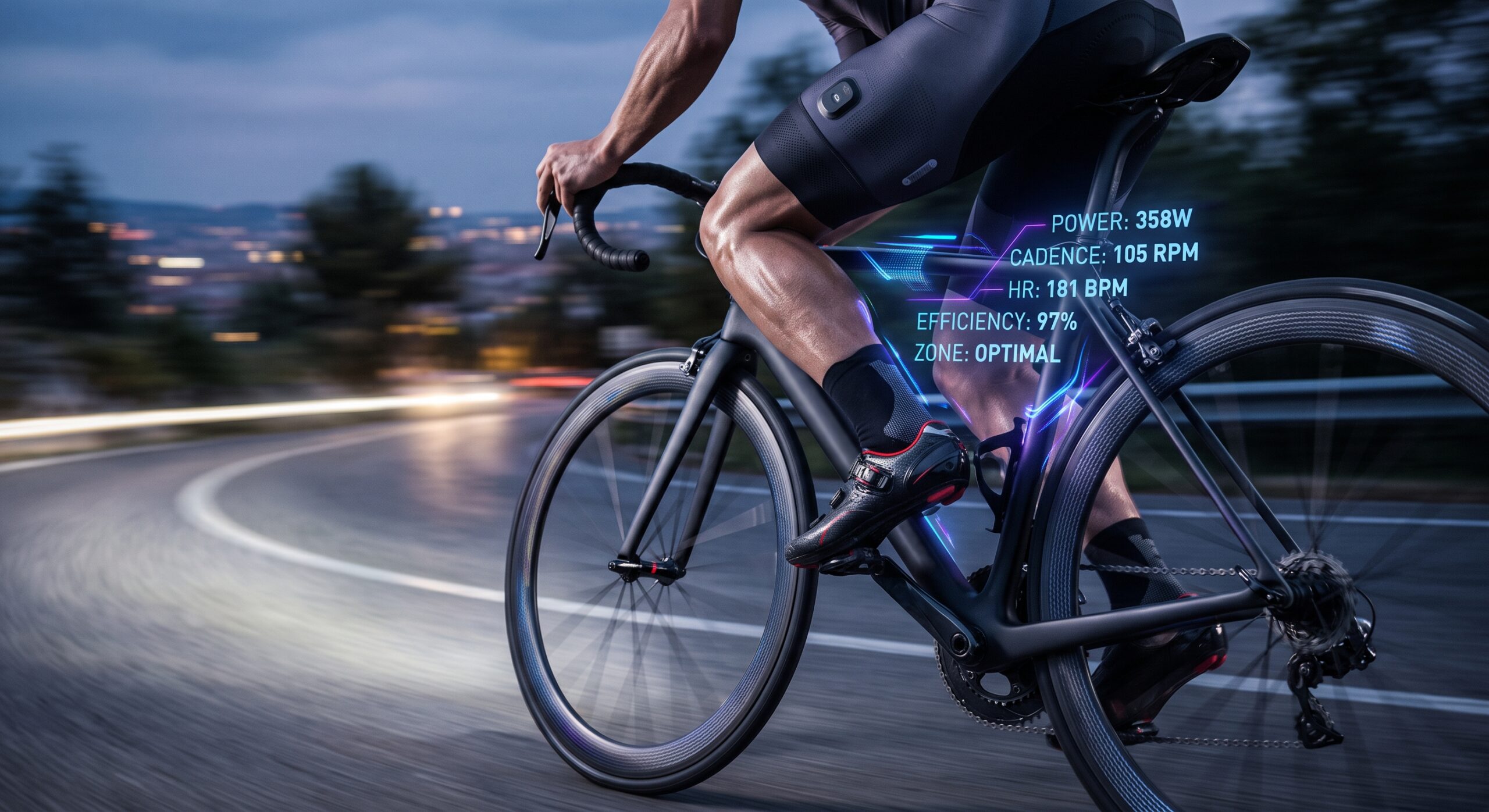
As we delve deeper into the science of human performance, particularly in athletic endeavors, understanding and optimizing aerobic efficiency has become paramount. At Explore the Cosmos, we are driven by a mission to illuminate complex systems through data-driven analysis, and there’s perhaps no system more complex and fascinating than the human body in motion. For athletes and fitness enthusiasts alike, the year 2026 promises to bring even more sophisticated ways to measure, understand, and enhance aerobic efficiency. This post will explore the burgeoning trends in aerobic efficiency, drawing on the latest research and insights, and demonstrate how these advancements align with our commitment to providing clear, actionable, and privacy-centric data tools.
The Evolving Landscape of Aerobic Efficiency Measurement
Aerobic efficiency, at its core, refers to how effectively our bodies use oxygen to produce energy during sustained physical activity. Think of it as your body’s fuel economy for endurance. The more efficient you are, the further you can go, or the faster you can perform, for the same amount of oxygen consumed. This is critical for everything from long-distance running and cycling to simply navigating daily life with greater vitality.
Recent research highlights a significant shift towards more precise and personalized measurement of aerobic efficiency. The integration of advanced sensors and Internet of Things (IoT) devices is revolutionizing how we track fitness. For instance, studies in 2026 indicate that IoT devices equipped with heart rate and motion sensors can significantly improve aerobic capacity and exercise efficiency over an eight-week training program. These systems adaptively adjust exercise intensity by monitoring heart rate, ensuring that training stays within the optimal aerobic zone. This closed-loop architecture, integrating multimodal sensor data with adaptive algorithms, offers a scalable and safe approach to personalization, moving beyond one-size-fits-all training plans.
This trend toward hyper-personalization is a cornerstone of modern fitness, driven by AI, biometric feedback, and even insights from genetic research. For athletes, this means training programs that account for age, lifestyle, recovery capacity, and individual goals, leading to more efficient workouts and reduced injury risk. It’s about understanding that what works for one individual might not work for another, and data is the key to unlocking these personalized pathways.
The Rise of Sport-Specific Metabolic Data
A key trend emerging for 2026 is the increasing importance of sport-specific metabolic data. While general aerobic capacity is valuable, understanding how that translates into performance within a particular sport is crucial for elite athletes. Metabolic testing is becoming more sophisticated, moving beyond the lab into the field with portable devices that can measure aerobic capacity and efficiency during sport-specific movements.
This allows coaches to monitor the oxygen cost at race pace, assess changes in aerobic economy throughout a season, and even optimize biomechanical positioning for maximum efficiency. It helps answer critical questions: are performance gains coming from improved fitness, or from enhanced efficiency in movement? By tracking fractional oxygen utilization and energy cost at race-specific intensities, coaches can fine-tune training zones, pacing strategies, and even equipment choices. This level of granular detail is what separates good performance from great performance, especially in competitive arenas like the upcoming 2026 Olympics.
Efficiency Factor: A Clean Metric for Cyclists
For cyclists, a particularly elegant metric for tracking aerobic base improvement is the “Efficiency Factor” (EF). Defined as normalized power divided by average heart rate during a steady ride, EF provides a clean, single number that reflects aerobic engine quality. The real value lies not in the absolute number, but in its trend over time. A consistent rise in EF across an 8-12 week base training block is a strong indicator that training is producing the desired adaptations.
This metric is invaluable because it often signals progress before traditional metrics like Functional Threshold Power (FTP) catch up. FTP measures peak power capacity, while EF measures power output per heart beat at steady aerobic intensity. It’s common for EF to improve while FTP remains stable, indicating that the aerobic engine is becoming more efficient even if peak power hasn’t yet increased. This early signal of progress can be crucial for maintaining motivation and adherence to training plans, especially for masters cyclists who may see slower, more gradual adaptations.
Data-Driven Insights: Aligning with Explore the Cosmos’s Mission
At Explore the Cosmos, our mission is to make complex topics accessible through data-driven analysis and local-first software. The trends in aerobic efficiency perfectly align with this ethos. We believe in empowering users with clear explanations and practical tools to understand and optimize their own systems, whether it’s their finances, their health, or their athletic performance.
Our Apple Health Cycling Analyzer is a prime example of this commitment. This privacy-first, browser-based tool processes Apple Health export data to provide cycling performance insights—such as efficiency factor, HR drift, and VAM—without ever uploading your sensitive health data to the cloud. This approach respects your data sovereignty, a core tenet of our philosophy. We believe that your performance data is yours, and should be analyzed locally, without the need for subscription fees or invasive cloud-based tracking.
The concept of Aerobic Efficiency (AE) itself, as calculated by tools like the Good Coach App, exemplifies this data-driven approach. AE measures the pace you can sustain at your aerobic threshold heart rate. As fitness improves, this pace increases at the same heart rate, signifying enhanced aerobic fitness. Tracking AE over time provides an objective measurement of training effectiveness and fitness progress, all derived from your workout data.
The Limitations and Nuances of Aerobic Data
While the advancements in measuring aerobic efficiency are exciting, it’s crucial to approach these metrics with an understanding of their limitations. For instance, the determination of Maximal Aerobic Speed (MAS) has several dominant approaches, each with its own assumptions and potential for error. Some methods rely on linear extrapolation, which can be prone to significant inaccuracies depending on the tested speeds. A more objective approach suggested involves dividing V̇O2max by the oxygen cost of running at a race-relevant speed, which can be integrated into a single testing session.
Similarly, a recent study that gained traction in early 2026, suggesting a highly disproportionate benefit of vigorous exercise over low-intensity movement, has been subject to misinterpretation. While high-intensity interval training (HIIT) is undeniably powerful, it’s part of a broader picture. A comprehensive exercise framework, as advocated by many experts, includes pillars like stability, strength, aerobic efficiency, and anaerobic performance. Aerobic exercise, characterized by continuous, rhythmic activity, is fundamental for cardiovascular health, metabolic regulation, and overall well-being. The goal isn’t to find a single “best” type of exercise, but to build a well-rounded fitness regimen that includes various modalities.
Leveraging Data for Personal Optimization
The convergence of advanced sensing, AI, and a greater understanding of physiological responses is paving the way for truly personalized fitness in 2026. Hyper-personalized training programs are becoming the norm, taking into account a multitude of individual factors to optimize workouts for efficiency and reduced injury risk. This is where our tools at Explore the Cosmos shine.
Imagine applying this to your cycling. Our Apple Health Cycling Analyzer can help you track your Efficiency Factor, HR drift, and VAM. By analyzing trends in these metrics, you can gain tangible insights into whether your training base is improving, if your pacing is optimized, or if your recovery is adequate. This isn’t just about collecting data; it’s about turning that data into actionable knowledge. For example, understanding HR drift—the tendency for heart rate to increase over time at a constant power output—can indicate fatigue or a breakdown in aerobic efficiency.
Furthermore, the increasing emphasis on community-centered fitness and hybrid workout models suggests a holistic approach to well-being. While data provides the precise measurements, the human element of fitness—be it community support or a balanced approach to different training types—remains crucial. As one landmark study from 2026 demonstrated, consistent, structured exercise combining moderate aerobic training, HIIT, and strength sessions can significantly rejuvenate the aging heart, reversing age-related changes in elasticity and efficiency. This underscores that while precise metrics are valuable, the consistent application of a well-rounded training program is the ultimate driver of long-term health and performance.
The Future is Data-Driven, Private, and Personalized
The trends shaping aerobic efficiency in 2026—from advanced sensor integration and sport-specific metabolic analysis to metrics like Efficiency Factor—all point towards a future where performance is optimized through precise, data-driven insights. At Explore the Cosmos, we are committed to being at the forefront of this movement, providing the tools and educational content that empower you to understand your body and achieve your goals.
We believe that this optimization should never come at the cost of your privacy. Our suite of privacy-first tools, like the Apple Health Cycling Analyzer and our forthcoming financial dashboard, FinFortress, are built on the principle of local-compute. Your data stays with you. This philosophy extends to our content, where we demystify complex topics like machine learning, personal finance, and physical performance with clarity and practical application.
As you navigate your fitness journey in 2026 and beyond, remember that the most powerful insights come from understanding the data, applying it intelligently, and doing so in a way that respects your autonomy. Explore the cosmos within yourself, empowered by science, data, and discovery.
Leave a Reply