
Category: AI Tools & Modern Learning
-

You want a clear answer: yes — AI is poised to become a central driver of self-learning systems in space and physics, not by replacing human insight but by accelerating simulation, hypothesis generation, and experimental design. I will show how physics-aware AI speeds up aerodynamic and orbital simulations, enables automated discovery of physical laws, and…
-
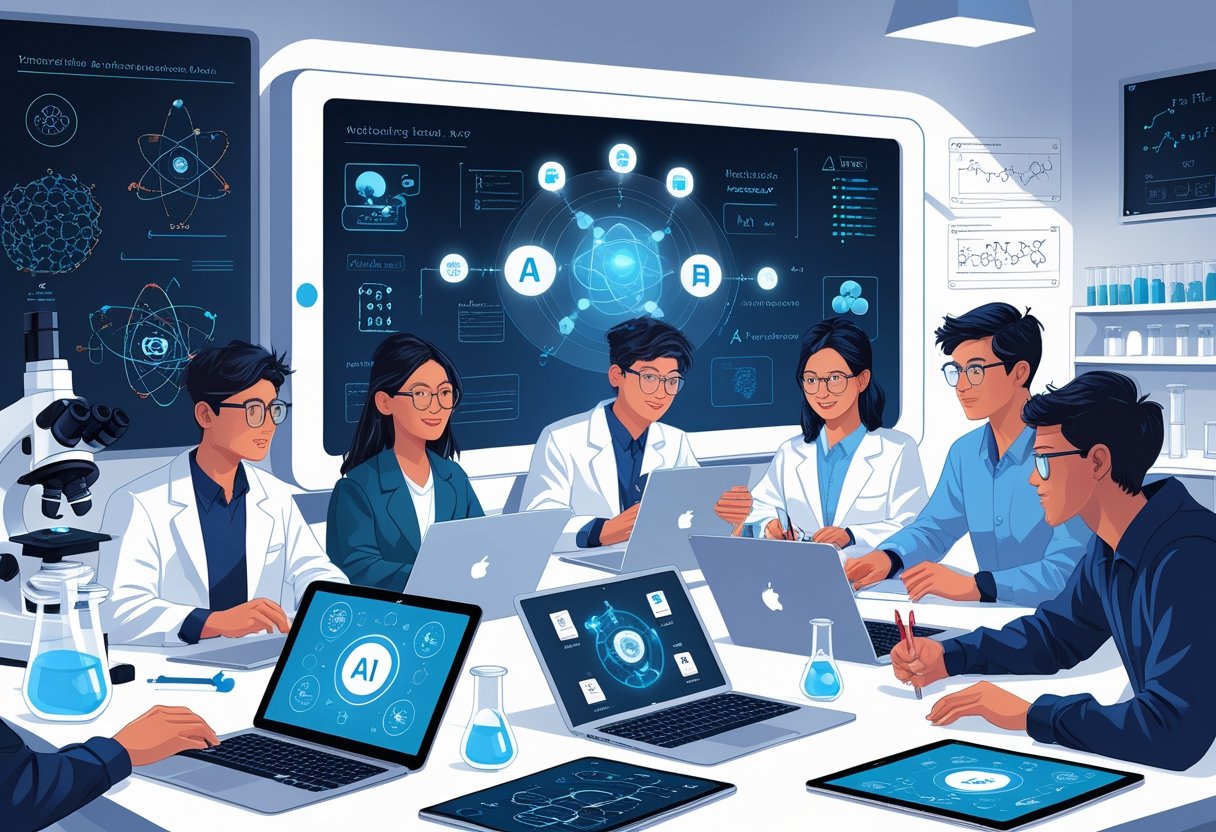
You study complex material and juggle labs, papers, and fast-paced lectures. I’ll show AI tools that turn messy class recordings and dense journal PDFs into concise, usable notes so you spend less time copying and more time understanding. If you want reliable, science-focused note-taking that creates summaries, flashcards, and searchable archives from lectures and readings,…
-
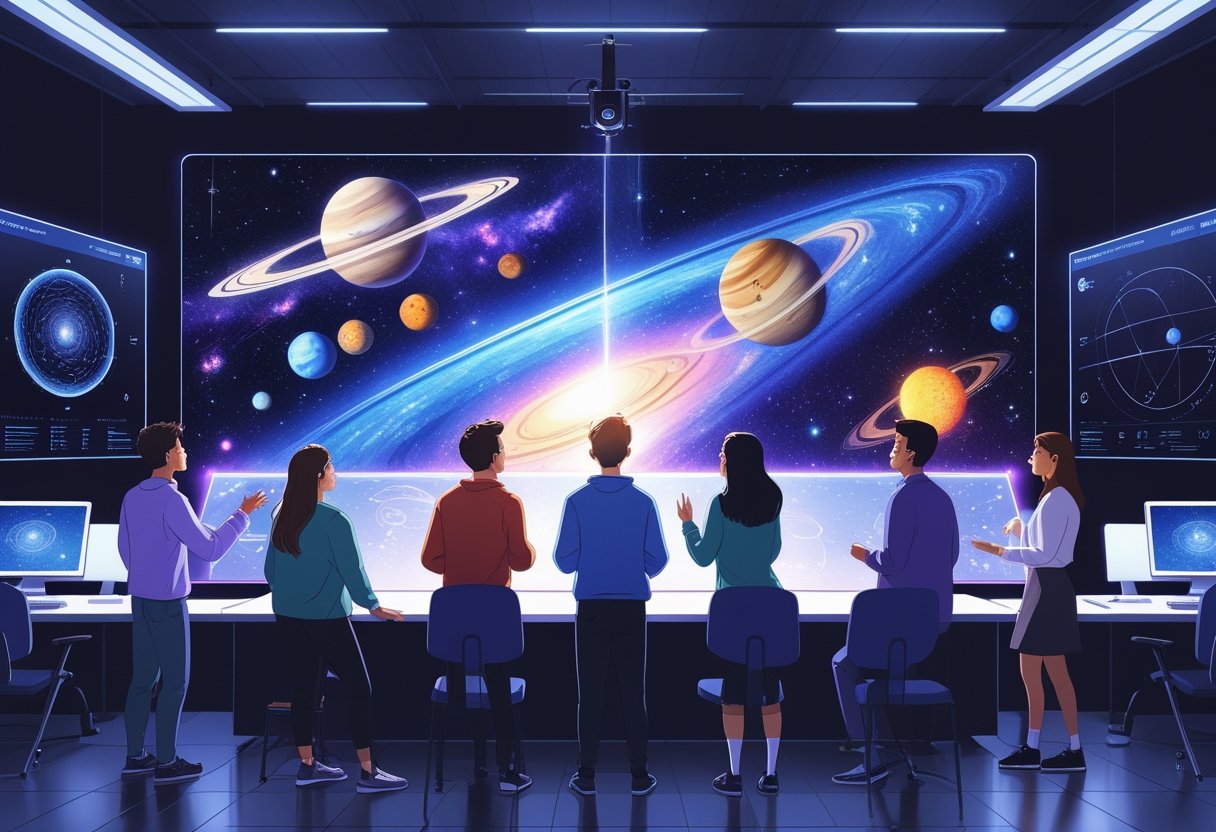
You can learn college-level astronomy for free using AI-driven courses, interactive tools, and curated open materials that adapt to your pace and focus. I’ll show you practical ways to find high-quality free courses, use AI tools to simulate observations and solve problems, and build a customized learning path that scales from basic concepts to specialized…
-

You want a practical way to turn dense space science papers into clear, usable insights without wasting time. I show you how AI can handle repetitive extraction, highlight methodology and findings, and create citation-ready summaries so you can focus on analysis and questions that move your work forward. You’ll learn a step-by-step AI study workflow…
-
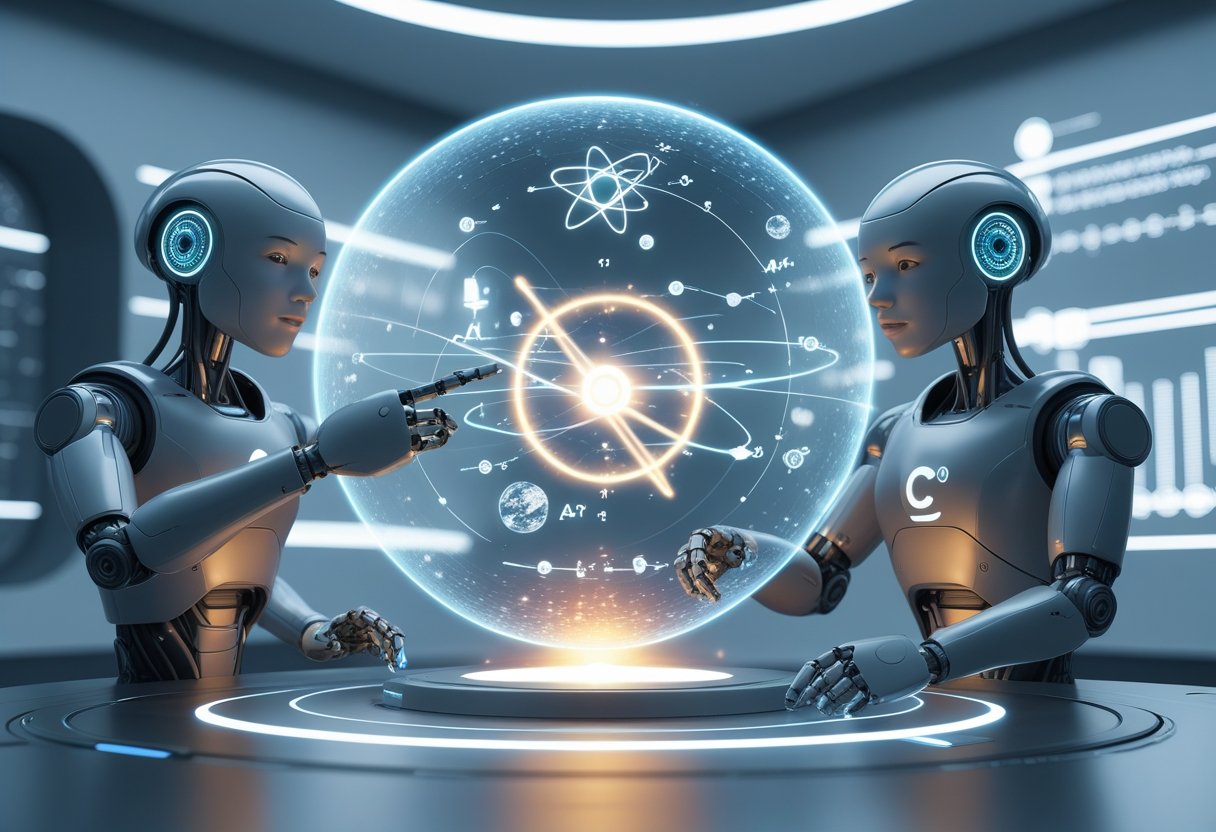
You want a clear, practical answer: for most physics explanations that balance accuracy, depth, and accessible teaching style, Claude and ChatGPT typically perform best, with Gemini often excelling when multimodal examples (images, diagrams, or videos) matter most. If you need rigorous, step-by-step derivations and logical clarity, Claude tends to be strongest; for conversational clarity, real-world…
-

You want clear, reliable tools that cut through jargon and help you grasp the core ideas, methods, and evidence behind complex scientific topics. I’ll show which AI tools actually save time and improve understanding — from rapid literature discovery and smart summarization to data visualization and hands-on question answering. As you move through the article,…
-
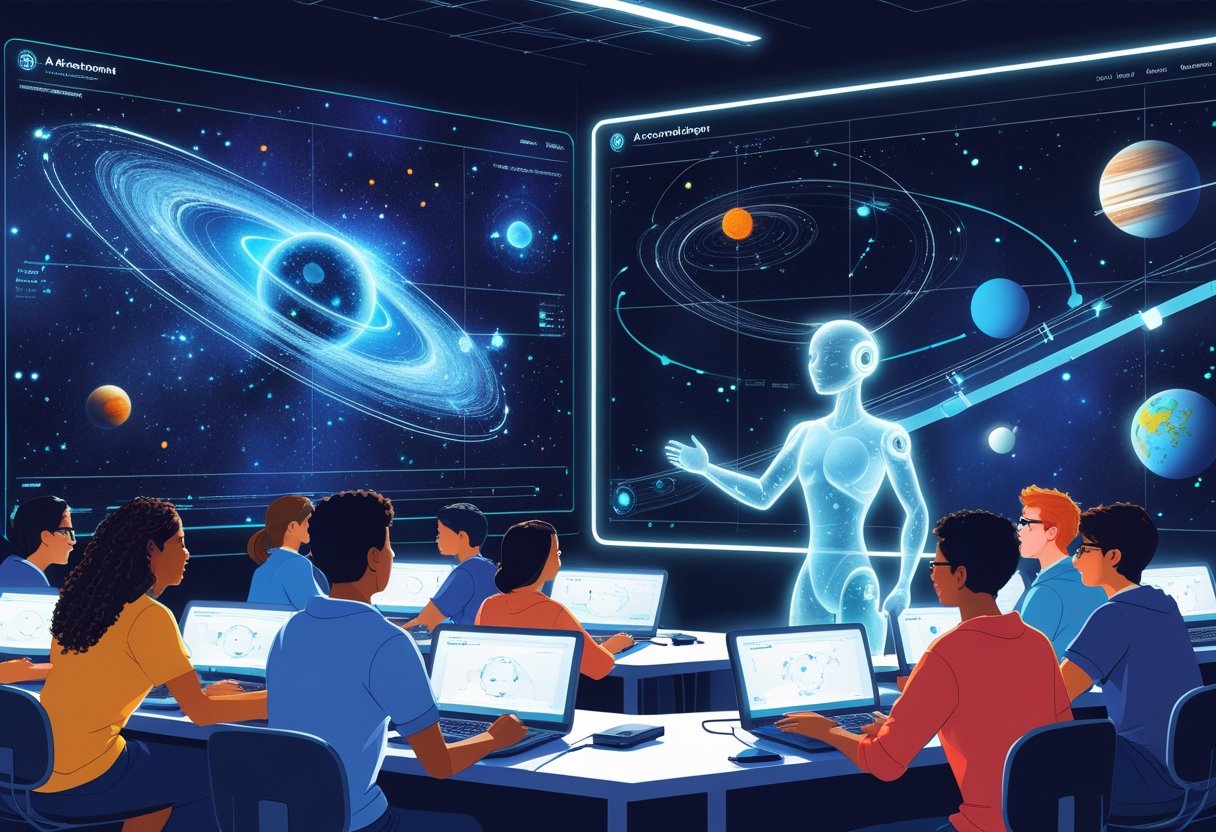
I’ll show you practical ways to use AI so you learn astronomy up to ten times faster by focusing your time on high-value concepts, automating tedious data work, and getting instant, tailored explanations when you need them. Use AI to generate personalized lessons, simulate observations, and explain complex concepts in plain language so you progress…