
AI Tools & Modern Learning
Learn faster with the power of AI.
This category explores how modern AI tools can simplify astronomy, physics, and scientific research. Discover the best AI apps, study tools, workflows, and learning methods to accelerate your understanding of space.
-
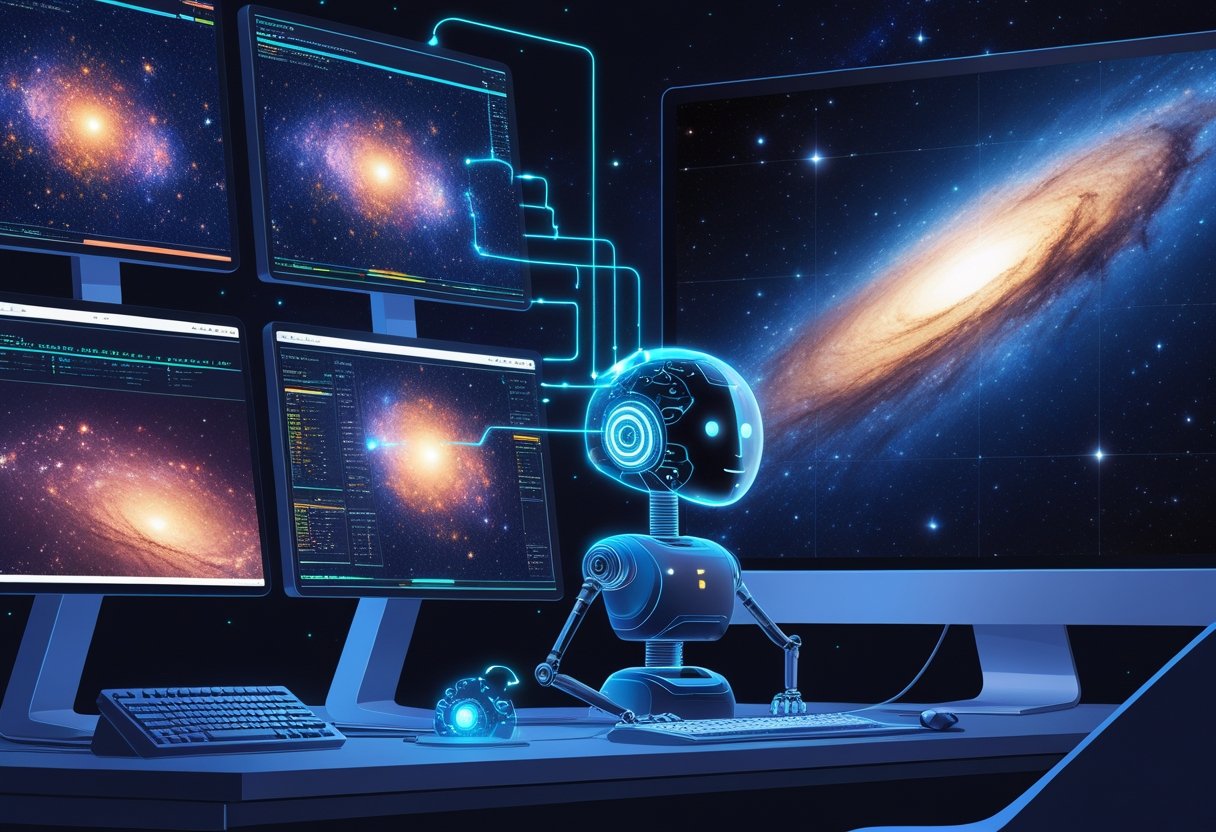
How AI Reconstructs Images from JWST Data: A Beginner’s Guide
More Details: How AI Reconstructs Images from JWST Data: A Beginner’s GuideYou’ll quickly see how AI turns raw JWST data into clear, scientific images you can understand and use. AI models learn the telescope’s quirks, correct detector distortions, and rebuild missing detail so images match what the sky actually looked like. That means you don’t need to be an instrument expert to grasp why the final…
-

Using AI to Generate Night Sky Forecasts: A Creative and Scientific Guide
More Details: Using AI to Generate Night Sky Forecasts: A Creative and Scientific GuideYou can use AI to turn complex weather, light-pollution, and satellite data into reliable night sky forecasts that help you pick the best nights for stargazing and astrophotography. AI-powered platforms can analyze real-time telemetry and atmospheric models to predict visibility, optimal observing windows, and when the Milky Way or a meteor shower will be most…
-
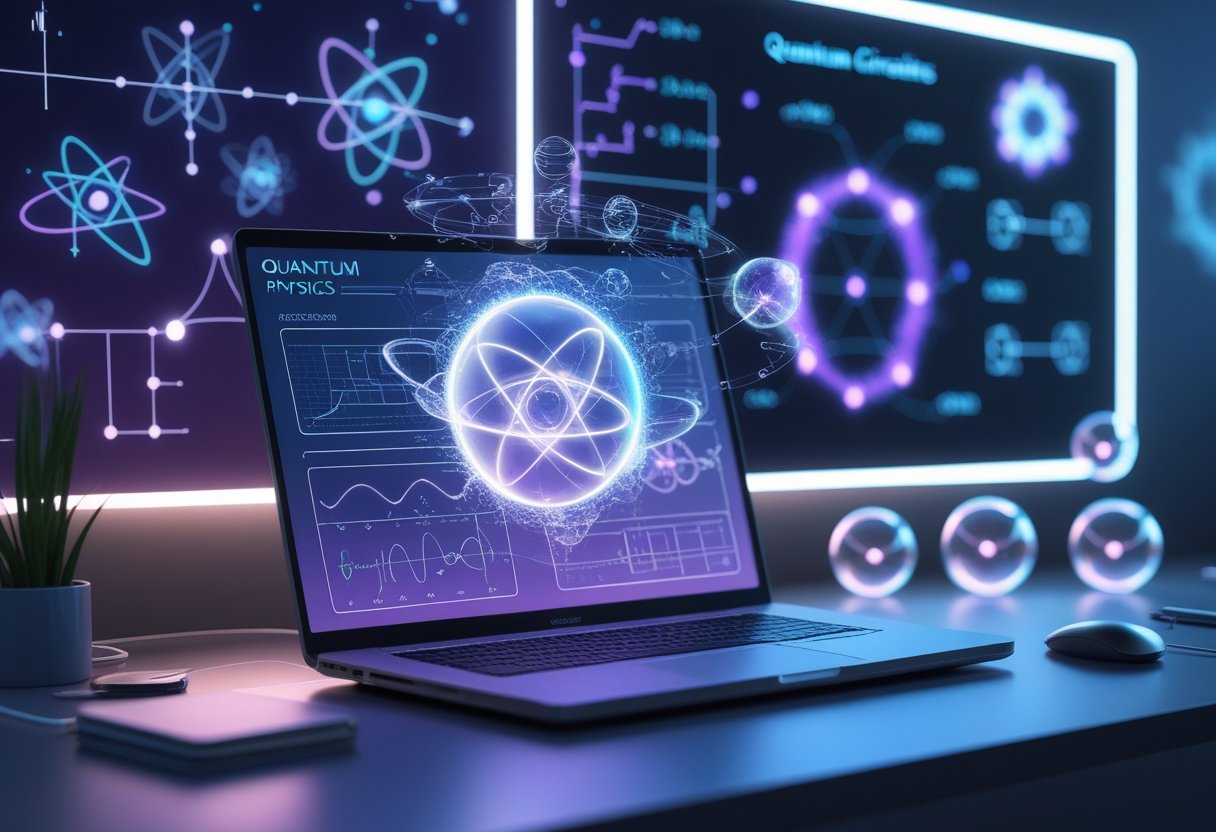
The Best ChatGPT Prompts for Understanding Quantum Physics: A Comprehensive Guide
More Details: The Best ChatGPT Prompts for Understanding Quantum Physics: A Comprehensive GuideYou want quantum physics to stop feeling impenetrable and start making practical sense. Use targeted ChatGPT prompts to get clear explanations, step-by-step problem solutions, and study plans tailored to your current level. This guide shows how to use prompts that unlock core ideas like wave-particle duality and tunneling, teach essential vocabulary, and produce graded exercises…
-
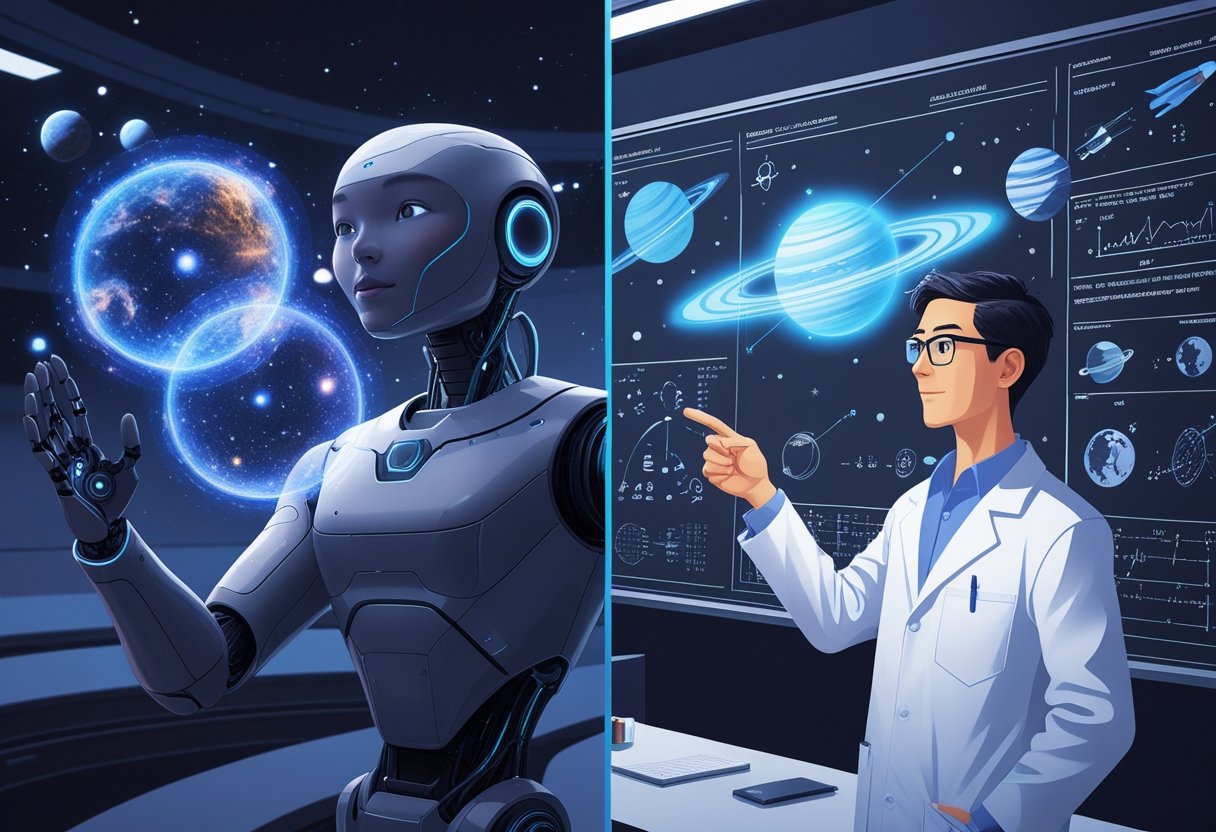
AI vs Human: Who Explains Space Better? Unveiling the Cosmos
More Details: AI vs Human: Who Explains Space Better? Unveiling the CosmosYou want a clear answer: AI excels at processing huge datasets, spotting patterns, and producing crisp visualizations, while you bring context, curiosity, and the intuition that turns facts into meaning. AI will often explain space more precisely and quickly, but you make those explanations memorable and relevant by asking the why and the what-if. Expect…
-
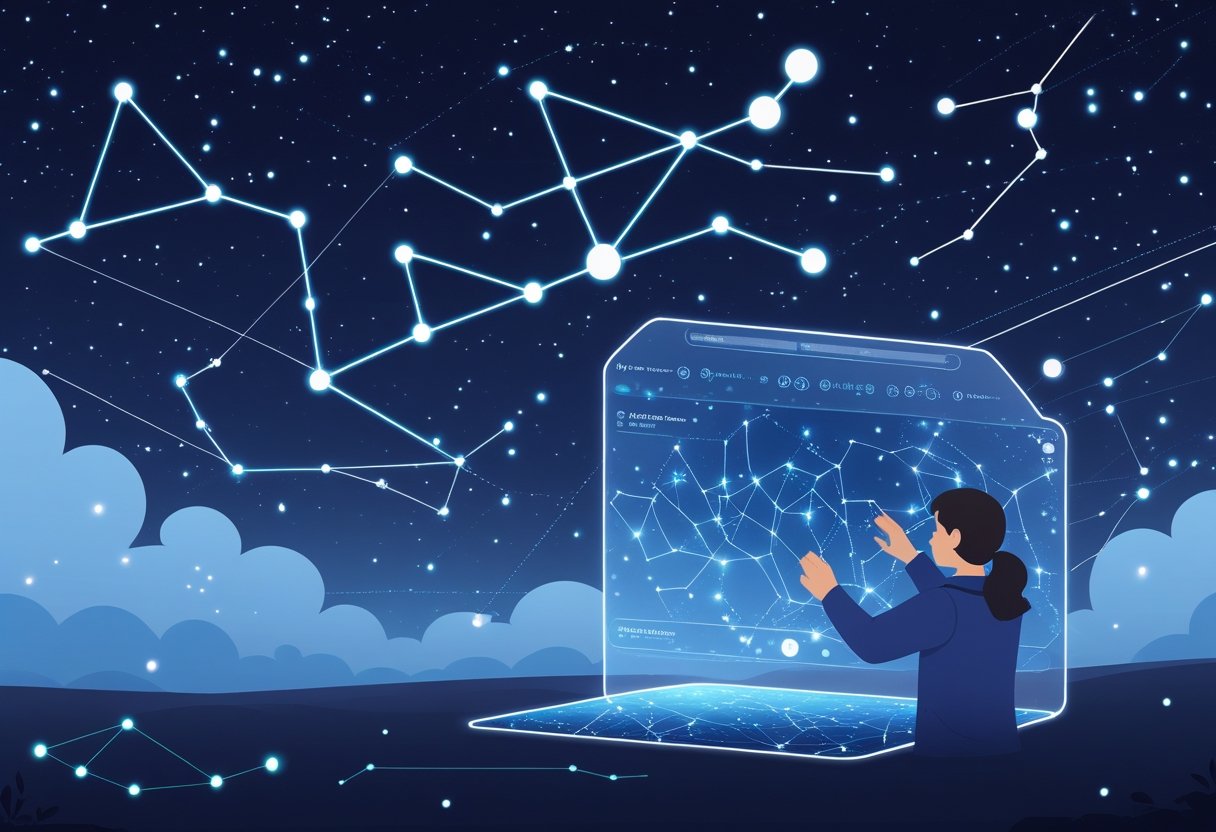
How AI Helps You Memorize Constellations Faster: Modern Tools And Techniques
More Details: How AI Helps You Memorize Constellations Faster: Modern Tools And TechniquesYou want to learn the night sky faster and with less frustration. AI turns pattern recognition and spaced repetition into a guided practice tailored to your pace, so you connect star shapes to names and stories far quicker than memorizing charts alone. AI shows you which constellations you confuse, schedules quick reviews, and highlights the…
-
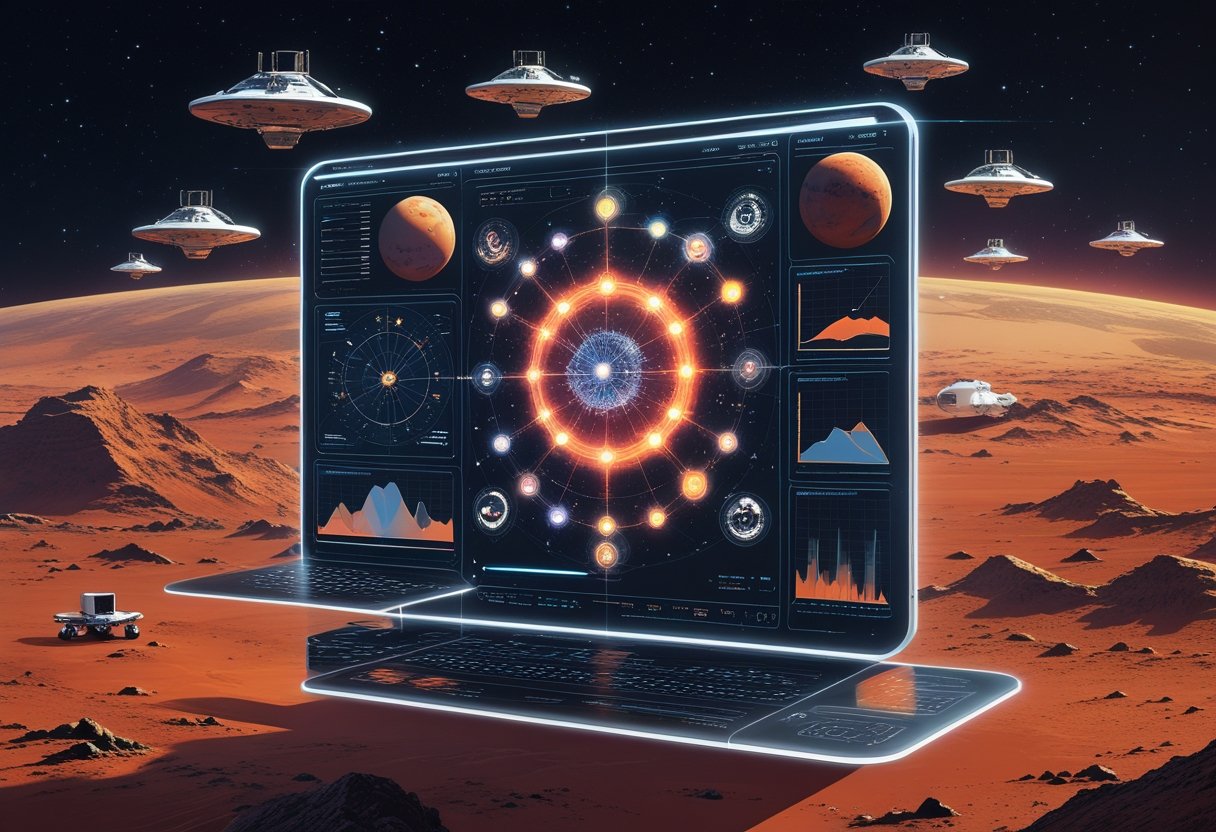
I Fed AI Every Mars Mission Ever—Here’s What It Learned About Red Planet Exploration
More Details: I Fed AI Every Mars Mission Ever—Here’s What It Learned About Red Planet ExplorationYou just handed a machine the entire catalog of Mars missions and asked it to find the patterns humans might have missed. You’ll learn which mission decisions scaled scientific return, which mistakes repeated across programs, and how AI turns decades of mission data into clear, actionable guidance for your next Mars plan. Imagine tapping a…
-
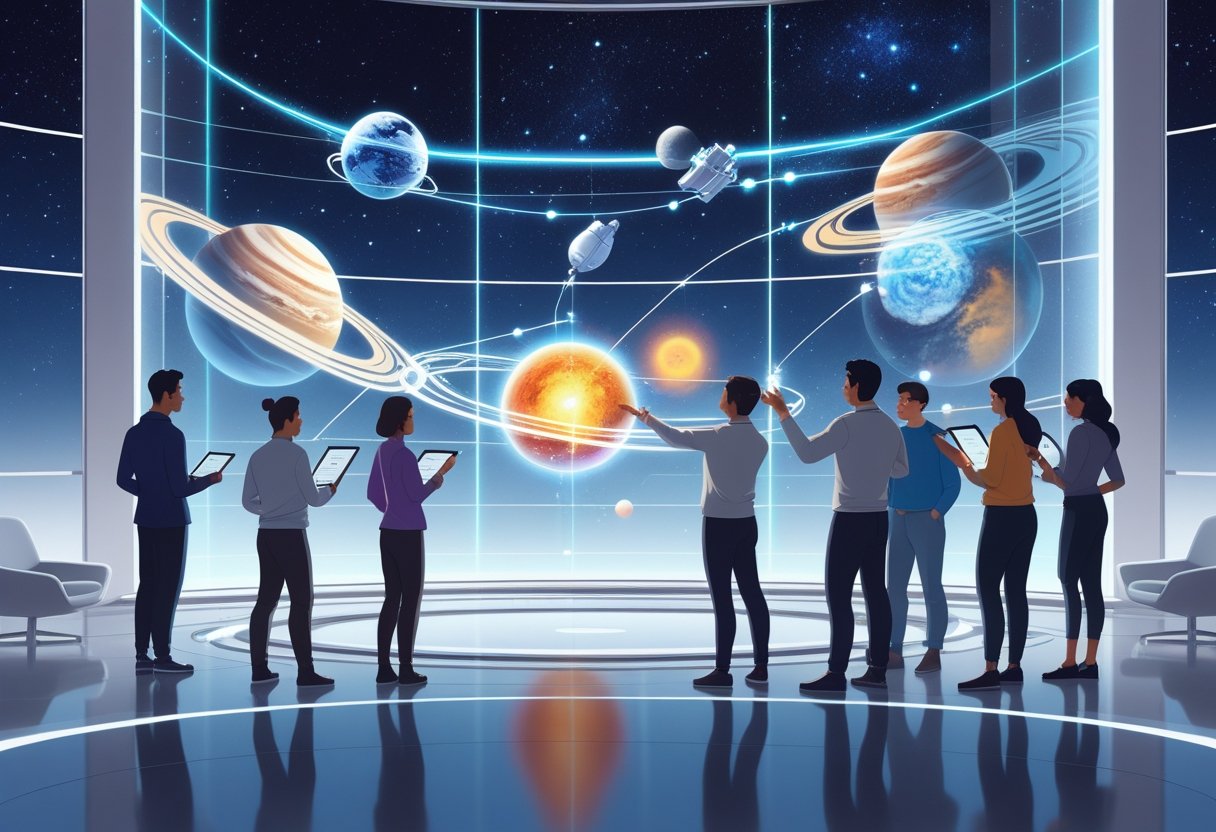
How to Use ChatGPT to Explain Complex Space Concepts Easily
More Details: How to Use ChatGPT to Explain Complex Space Concepts EasilyYou can make dense space topics approachable by using ChatGPT to translate jargon into clear steps and vivid analogies. Use targeted prompts to ask for layered explanations — a simple summary, a technical breakdown, and a real-world example — so you get explanations that fit your level and goals. This post shows how to set…
-
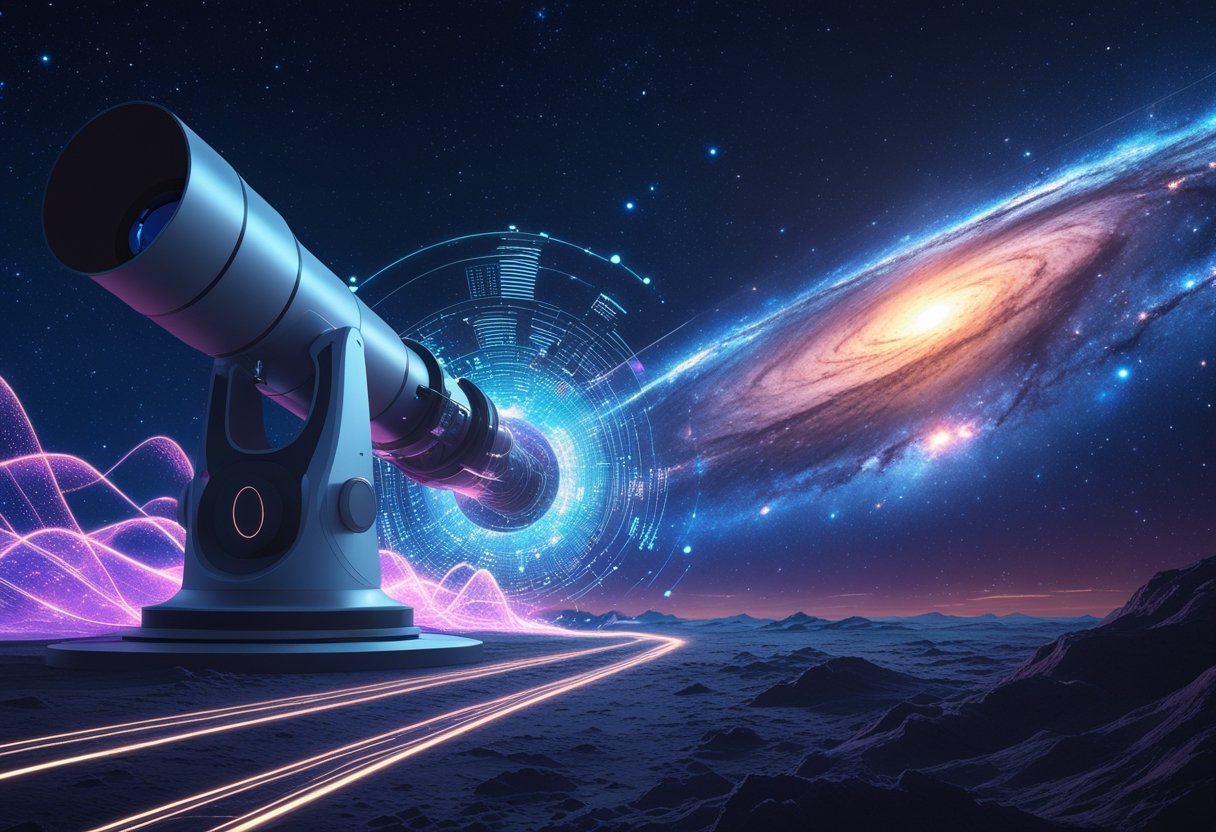
AI Tools That Turn Raw Telescope Data Into Clear Images: Techniques, Tools, and Impact
More Details: AI Tools That Turn Raw Telescope Data Into Clear Images: Techniques, Tools, and ImpactYou’ll see how AI turns noisy, pixelated telescope outputs into crisp, scientifically useful images and why that matters for discovery and outreach. I’ll show you which AI methods actually improve clarity, where they fit in the imaging workflow, and what trade‑offs to expect so you can judge results confidently. Expect a practical tour of the…
-
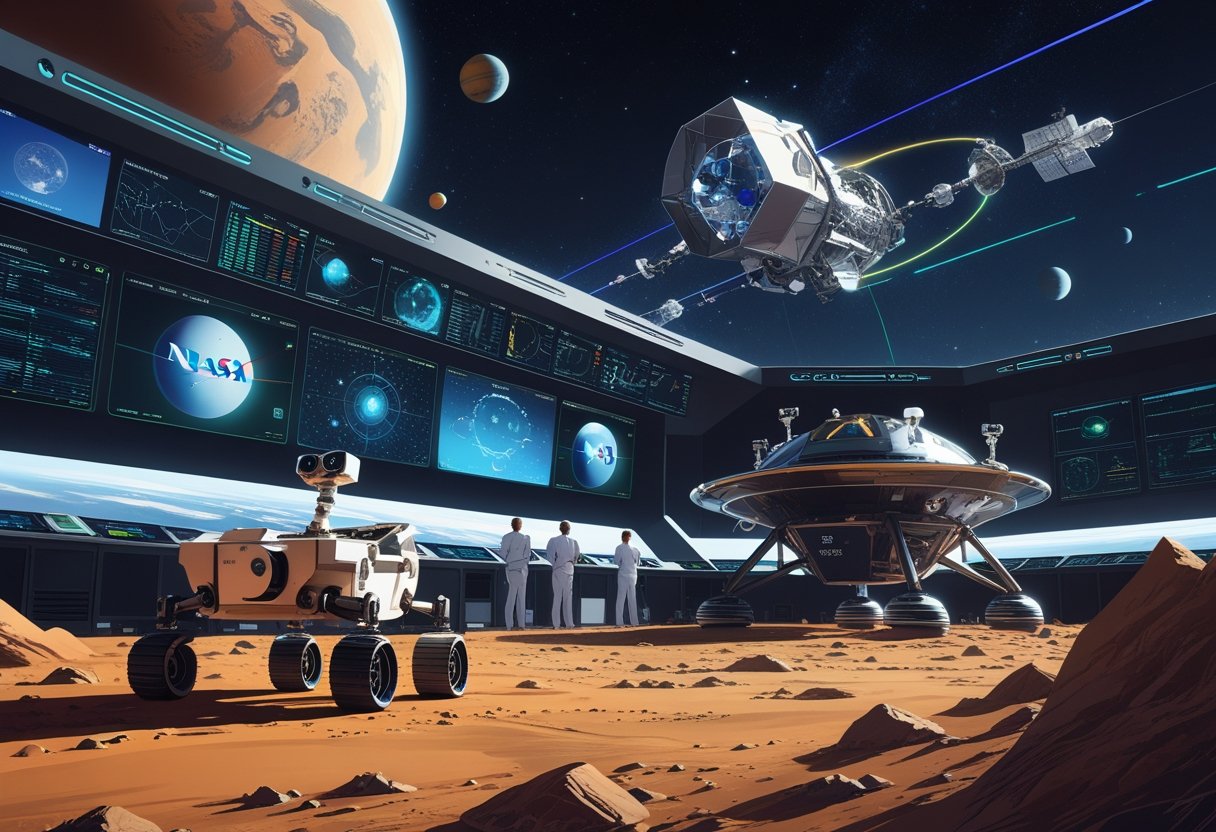
How NASA Uses AI in Space Exploration: Simple Explanation
More Details: How NASA Uses AI in Space Exploration: Simple ExplanationYou’ll quickly see how artificial intelligence helps NASA make smarter decisions, move spacecraft autonomously, and turn massive streams of data into discoveries. AI lets spacecraft and rovers act on their own, optimizes mission schedules, and finds scientific signals humans would miss—so missions run safer and produce more science. I’ll walk you through how AI works…
-
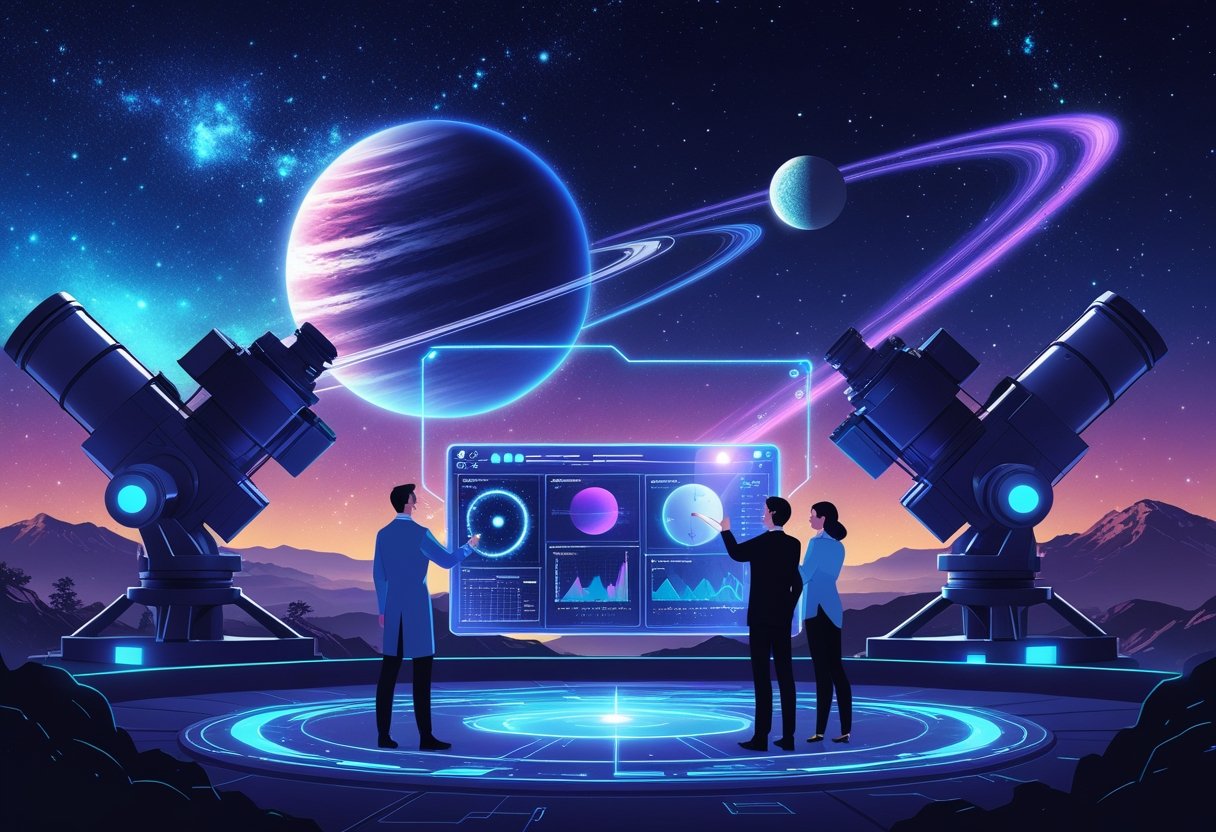
Can AI Detect New Exoplanets? Beginner Guide to ML in Space
More Details: Can AI Detect New Exoplanets? Beginner Guide to ML in SpaceYou want a direct answer: yes — AI can and already does detect exoplanet signals that traditional methods miss, speeding discovery and helping prioritize the best candidate targets. I’ll show how machine learning finds subtle transit and imaging signals, why that matters for telescope time, and what limitations you should watch for. You’ll explore how…