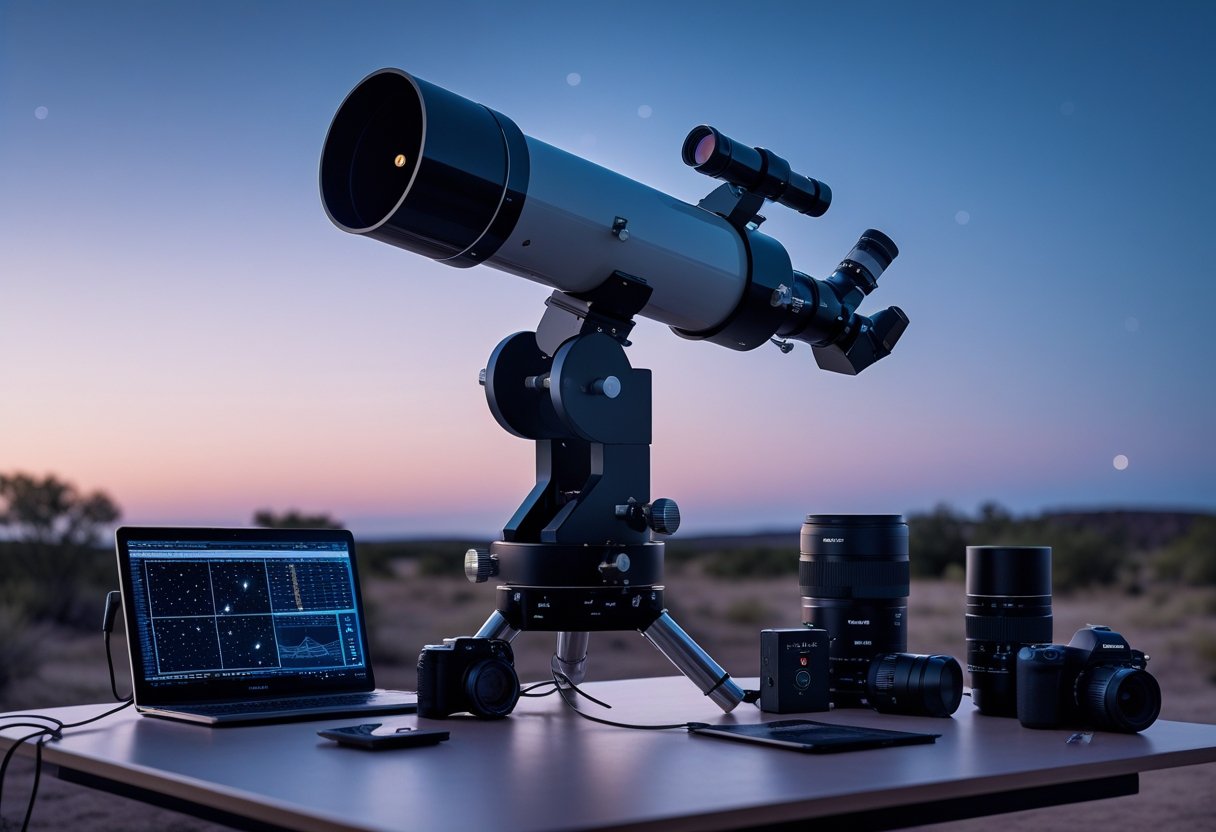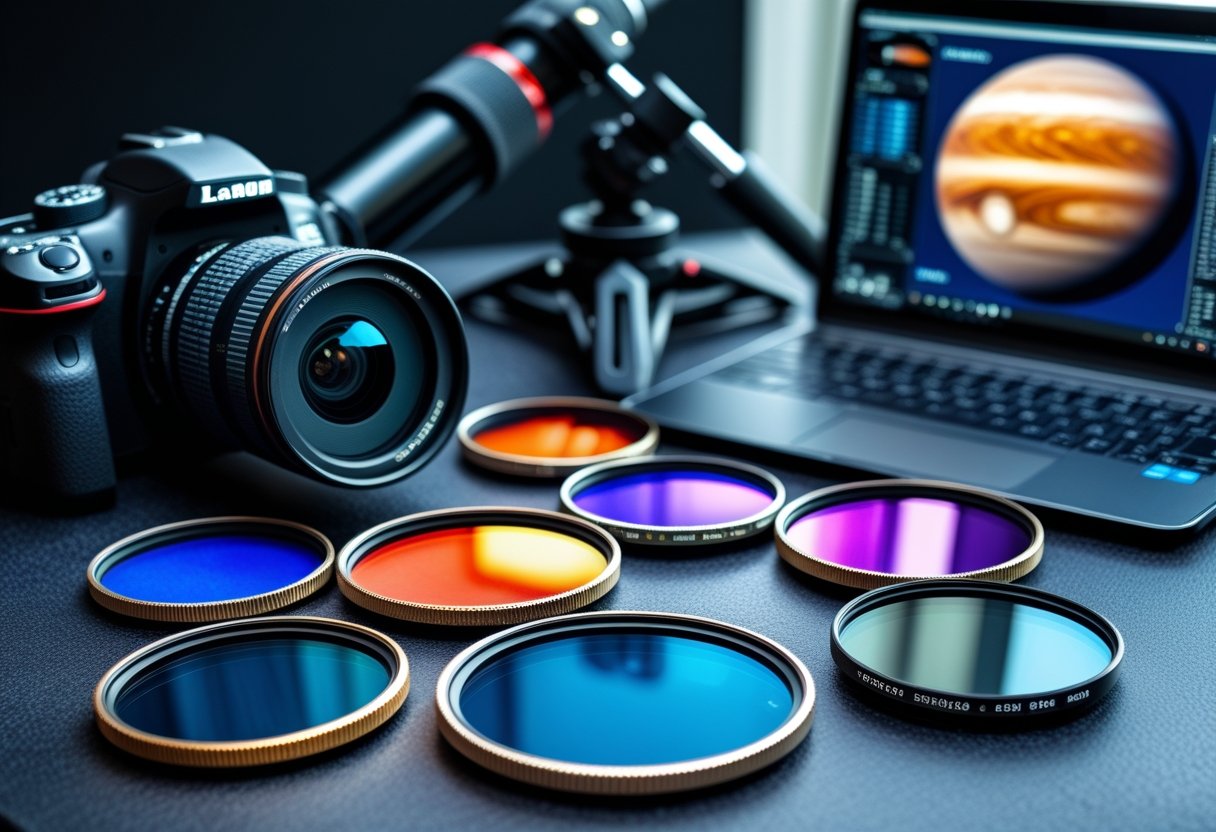

You want crisp, clear views of planets, star clusters, and even bright deep-sky objects without spending over €1000 — and you can get a capable, easy-to-use telescope in that price range. Expect practical recommendations for beginner-to-intermediate telescopes that balance aperture, portability, and features so you can start observing confidently tonight. This guide shows which telescope…

If you want to learn astronomy efficiently — whether you aim to spot planets with a backyard telescope, guide curious kids through the constellations, or tackle advanced astrophysics — pick resources that match your goals and experience level. This article points you to the best books and online courses for beginners, families, and advanced learners…

You want to start stargazing tonight without getting overwhelmed by jargon or gear you won’t use. You only need a reliable optical tube, a steady mount, a couple of eyepieces, and the confidence to point and focus — everything else is optional or an upgrade. This guide walks you through choosing the essential components, setting…

You can capture striking night-sky photos without spending more than €500 by prioritizing a few key items: a modest but optically solid telescope, a stable mount or tracker, and a simple camera or smartphone adapter. With the right choices and techniques, a budget telescope plus a basic mount gets you real astrophotography results for under…

Want to dive into stargazing without the fuss of a telescope? Binoculars for beginners give you wide fields, simple setup, and bright views of star clusters, the Milky Way, and moon detail. Choose a 7x to 10x magnification with a 35–50mm objective for the best balance of hand-held stability, light gathering, and ease of use.…

You want sharper, longer night-sky exposures without star trails, and the right star tracker makes that possible. The five best star trackers for 2026 let you capture longer exposures, use higher focal lengths, and produce cleaner Milky Way and deep-sky images with less effort. This guide compares top models, highlights the key tech and accessories…

You’ll quickly see how AI turns raw JWST data into clear, scientific images you can understand and use. AI models learn the telescope’s quirks, correct detector distortions, and rebuild missing detail so images match what the sky actually looked like. That means you don’t need to be an instrument expert to grasp why the final…

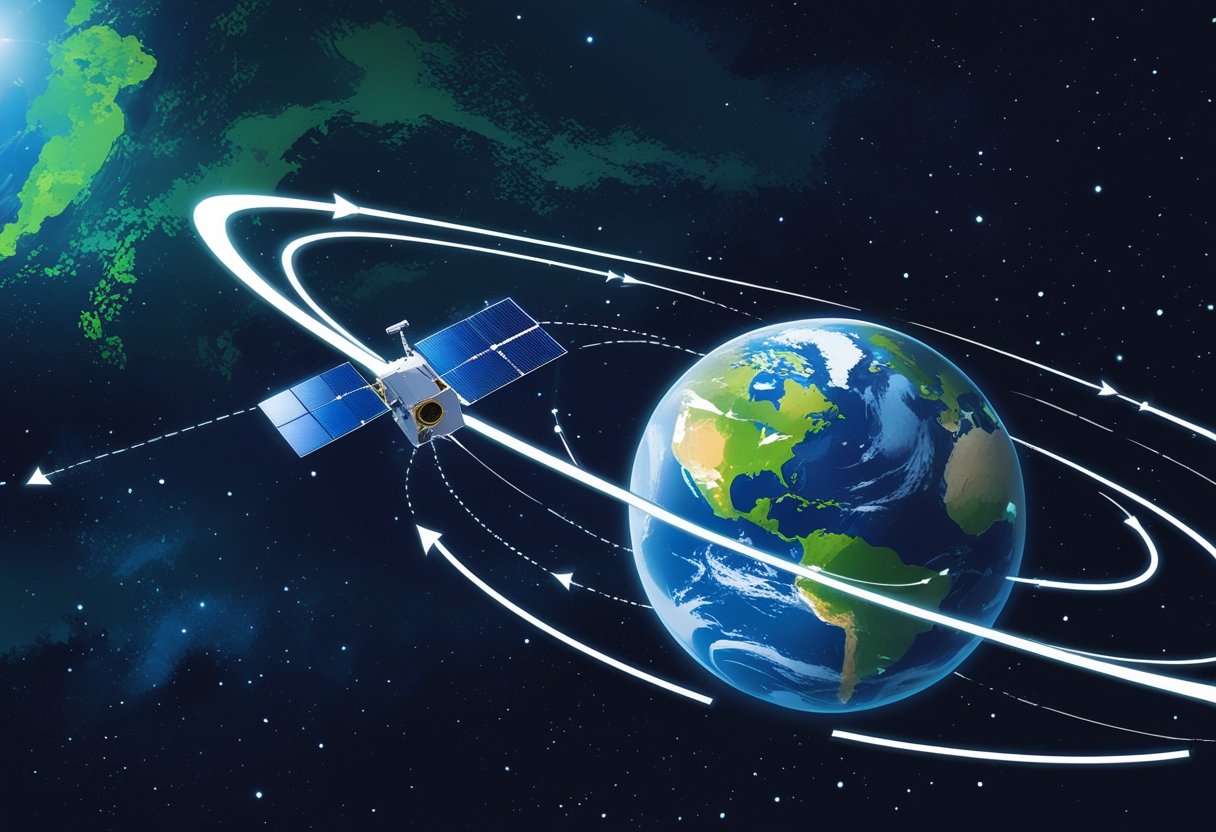
You can use AI to turn complex weather, light-pollution, and satellite data into reliable night sky forecasts that help you pick the best nights for stargazing and astrophotography. AI-powered platforms can analyze real-time telemetry and atmospheric models to predict visibility, optimal observing windows, and when the Milky Way or a meteor shower will be most…

You want quantum physics to stop feeling impenetrable and start making practical sense. Use targeted ChatGPT prompts to get clear explanations, step-by-step problem solutions, and study plans tailored to your current level. This guide shows how to use prompts that unlock core ideas like wave-particle duality and tunneling, teach essential vocabulary, and produce graded exercises…

You want a clear answer: AI excels at processing huge datasets, spotting patterns, and producing crisp visualizations, while you bring context, curiosity, and the intuition that turns facts into meaning. AI will often explain space more precisely and quickly, but you make those explanations memorable and relevant by asking the why and the what-if. Expect…